The Pop-Up Boom: How Online Brands Are Reshaping Retail

Fruity Booty's US pop-ups nearly doubled last year's revenue, a clear sign of physical retail's accelerating power for online brands, Vogue reports.

KO
Katerina Orlova

June 5, 2026 · 3 min read

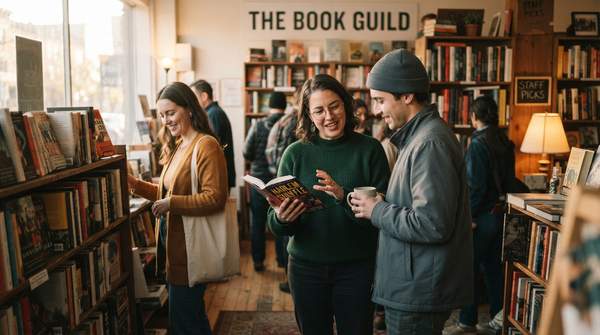
Diverse shoppers exploring a lively pop-up shop, demonstrating the growing trend of online brands embracing physical retail spaces.

Fruity Booty's US pop-ups nearly doubled last year's revenue, a clear sign of physical retail's accelerating power for online brands, Vogue reports. E-commerce promises global reach, but top online brands now chase unprecedented growth through temporary physical pop-ups. This creates a critical tension: digital ubiquity meets the undeniable impact of tangible customer interaction. Integrating temporary physical retail isn't just an option; it's the next differentiator for online brands seeking sustainable growth and deeper engagement.

The Strategic Shift: Why Online Brands Go Offline

Online brands now embrace pop-ups as a low-risk way to test in-person sales and validate demand, Shopify notes. This lets e-commerce businesses test pricing and merchandising without the commitment of a permanent store. Beyond testing, pop-ups boost brand visibility, putting products directly before local foot traffic and fostering community. They prove digital reach alone is no longer enough; tangible customer relationships and amplified presence are critical.

Quantifying Success: Revenue & Insights

The Gimaguas brand's LA pop-up sales surged 90% year-over-year, Vogue reports. This isn't just about immediate revenue; pop-ups also validate demand and collect crucial insights for online stores and future retail plans, Shopify confirms. They offer invaluable data for product-market fit, shaping future strategies far beyond a temporary sale.

Global Reach, Local Touch: Case Studies in Pop-Up Expansion

Australian activewear brand CSB launched a 25-day pop-up in Miami, strategically entering the US market, Vogue reports. This allows international brands to establish a physical foothold without long-term commitments. Similarly, LA-based brands Cleo Camp, Brooke Callahan, and Lizzie Ames hosted a three-day 'Spring in New York' shop, proving domestic brands also use pop-ups for targeted engagement. Brands from Barcelona and London follow suit, opening limited-time pop-ups in New York and Los Angeles.

Brand OriginTarget MarketPop-up Duration
AustraliaMiami, USA25 days
Los Angeles, USANew York, USA3 days
Barcelona/LondonNew York/Los Angeles, USALimited-time

These diverse examples confirm a clear trend: online brands leverage temporary physical spaces to conquer new markets and connect directly with local audiences. This isn't just about expansion; it's a counterintuitive truth that even successful online brands need physical presence for their next growth phase and market validation.

Mastering the Logistics: Keys to Pop-Up Success

Strategic venue selection is paramount. Successful pop-ups choose locations where target customers already gather: partner stores, markets, malls, or events, Shopify advises. This targeted approach maximizes foot traffic and engagement, minimizing operational hurdles and boosting ROI. Brands that see pop-ups merely as 'low-risk testing grounds' miss their true potential: powerful, short-term revenue engines and indispensable tools for deep market insight.

The Evolving Retail Landscape

Pop-ups are no longer temporary experiments; they are core retail strategy. Despite the promise of infinite digital reach, the explosive revenue growth from brands like Fruity Booty and Gimaguas proves physical pop-ups are critical accelerators for market dominance. Their demonstrated success suggests they will become an indispensable, permanent fixture in the agile retail landscape, essential for deepening customer engagement and validating market fit.

As of the latest reports, brands like Fruity Booty will likely continue to expand their physical footprint, capitalizing on the proven revenue acceleration of pop-up retail to secure market leadership in a hybrid retail environment.