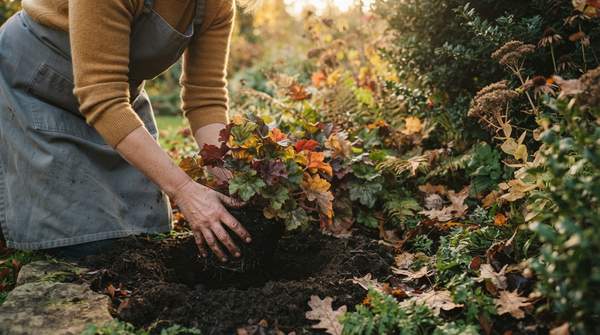
Fall is an often-overlooked yet ideal season for planting new perennials in your local garden, setting the stage for robust growth and vibrant blooms the following spring. While spring planting is popular, seasoned gardeners recognize that cooler fall temperatures and consistent moisture create optimal conditions for plants to establish strong root systems before winter dormancy. This guide will walk you through the optimal timing, essential soil preparation, and crucial initial care steps to ensure your new perennials thrive in their local environment, with a special emphasis on the benefits of choosing native varieties.
Why Fall is Ideal for Perennial Planting
Many dependable native plants, along with other hardy perennials, not only tolerate fall planting but flourish because of it, as noted by Gene Fox of the N.C. Cooperative Extension. The cooler temperatures and consistent rainfall characteristic of autumn create excellent growing conditions, allowing plants to establish their roots effectively and emerge strong in the spring, explains Mike Mesch of Dogwood Designs. This period encourages root growth while the plant's top growth appears dormant, reducing the stress often associated with transplanting during warmer months, according to Andrew Messinger.
By getting perennials established in the fall, they gain a significant "head start" over those planted in the spring, as Wyatt Shell of My Home Park points out. Additionally, plants purchased in the fall are often already more established, increasing their likelihood of blooming in their first spring, adds Paige Pelini of Mother Earth Gardens. The reduced pressure from summer pests and weeds further lightens the load on newly planted specimens, contributing to their successful establishment.
Optimal Timing for Fall Perennial Planting
The key to successful fall planting lies in precise timing relative to your local climate and the average date of the first hard frost. Generally, perennials should be tucked into the soil at least four to six weeks before the ground freezes, advises Amy Simone writing for the Williston Observer. This window allows sufficient time for the plants to establish their root systems before winter dormancy sets in.
Wyatt Shell of My Home Park further explains that native perennials typically require about six to eight weeks of care to become sufficiently established for a successful winter dormancy. Planting between late August and early October often provides this crucial establishment period before the first frost, according to Blue Thumb. It is always a good idea to research the specific needs of the plants you intend to add and consider your local climate to ensure they have ample time to settle in before winter arrives, a recommendation from the Brooklyn Botanic Garden.