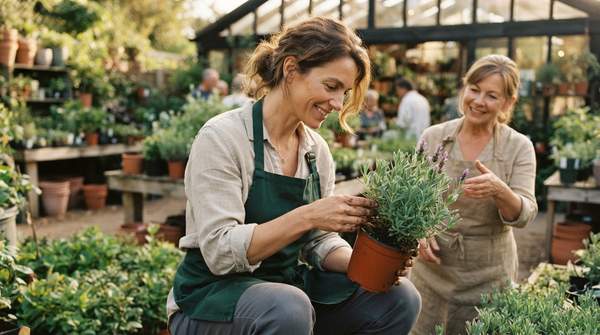
Selecting the right local nursery is a crucial first step toward a thriving garden, and the best choice depends on matching your specific project needs with a nursery's specialization, plant quality, and staff expertise. Whether you're a novice gardener or an experienced landscaper, a systematic approach can help you find a partner that provides healthy, well-suited plants and valuable guidance for long-term success.
Defining Your Gardening Project: The First Step to Nursery Selection
Before visiting any nursery, the most important step is to define the goals for your outdoor space. Understanding your own needs allows you to ask targeted questions and evaluate whether a nursery's offerings align with your vision. A well-stocked nursery should offer a diverse selection of plants, but that variety is only useful if it serves your specific purpose.
Consider the conditions of your garden. According to guidance from Texas Heritage for Living, you should know how shady, dry, or vulnerable your garden is before you shop. This information helps nursery staff arm you with the right plants and materials. It is also helpful to know your area's hardiness zone, though nursery experts can typically advise on this. Having a clear plan for your landscaping or gardening needs transforms your visit from a casual browse into a focused mission to find the perfect plants.
General-Purpose vs. Specialized Nurseries: Understanding Your Options
Nurseries often have different focuses, and understanding these distinctions can narrow your search. Many are general-purpose, offering a wide array of popular trees, shrubs, and flowers to meet a broad range of landscaping demands. The diversity of species at a nursery can be a good indicator of its commitment to serving various planting needs, including different climate and soil conditions.
Other nurseries specialize, with a particular focus on plants like locally sourced or native species. Native plants are often better adapted to the local climate and soil, making them more likely to thrive. The Wild Seed Project, an organization focused on ecological gardening, points out that consumers should consider a nursery's selection of native plants. They also draw a distinction between "straight species" native plants and "cultivars," which are varieties bred for traits desirable to humans, such as flower color. These cultivars are often clones that lack genetic diversity, which may make them less equipped to thrive in a dynamic environment and less beneficial to local wildlife.