Curated artisan markets choose vendors through a formal application and review process that weighs three things above all: whether the goods are genuinely handmade and well-crafted, whether the application itself looks professional, and whether the product fills a gap in that market's specific category mix. That last factor surprises many first-time applicants. As Dreamers Markets, a recurring curated market, puts it, "A no is usually about category balance for that one lineup, not about your product." Understanding that distinction is the single biggest shift in how a maker should read both applications and rejections.
Understanding Artisan Markets: More Than Just a Sale
Modern craft fairs and artisan markets have evolved from church-basement affairs into curated shopping experiences that draw hundreds or thousands of visitors, blending local food, live music, and handmade goods into something that feels like a community event and a shopping destination at once, according to venue guidance from The Museum at Hoppenville. That curation is what separates the market types a vendor will encounter.
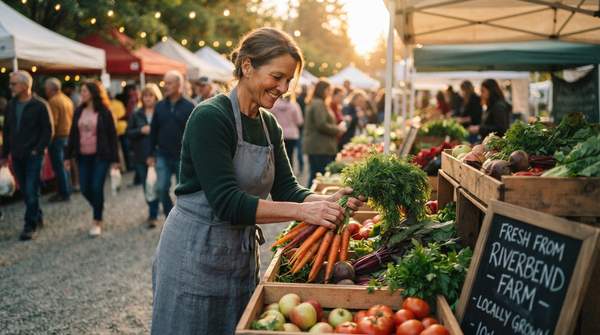
A craft fair is typically a juried, seasonal, single-category event with a high barrier to entry: a jury reviews portfolios months ahead, and the audience is craft-specific. Curated vendor markets, by contrast, are recurring, mixed-category, and organizer-led, as Dreamers Markets explains. Farm and art markets integrate craft vendors alongside agricultural products and often prioritize local or regional makers. The Erie County Fair's Local Artisan Market, for example, is "exclusively for artisans from our region," featuring handmade goods crafted in the surrounding area. The same maker can be a perfect fit at one format and a poor fit at another.
The Organizer's Lens: What Makes an Application Stand Out?
When curators sit down with a stack of applications, they read each one for product quality, photo quality, brand consistency, and category fit for that specific market, according to Dreamers Markets. In other words, your product is only half the evaluation — the other half is how well your application communicates it. Organizers reviewing applicants look at their offerings, social presence, and booth setup, as event-planning guidance from Cheddar Up describes.
Quality standards are often explicit. Old Town Farm & Art Market, a weekly gathering of food producers, artisans, and artists, requires all vendors to meet its published Market Standards and agree to its rules before submitting an online application. The Artisan Market, a Martinez, California-based community of makers, frames its bar simply: it welcomes artists who "handmake, upcycle, and repurpose their creations." One farmers market manager writing for the Farmers Market Coalition goes further, explaining that her market prioritizes applications precisely to avoid morphing from a green market into a crafts market or flea market — a reminder that each market's integrity rules define what "fits."