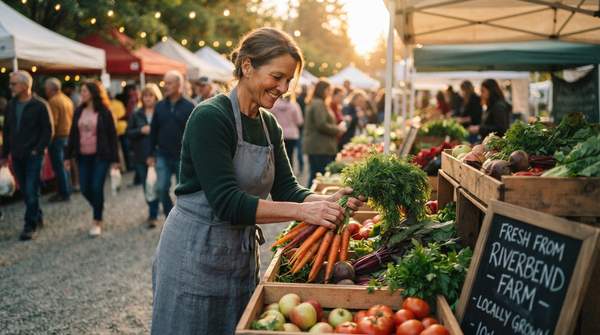
The weekend farmers' market is a beloved institution, a vibrant hub of fresh produce, local goods, and community connection. But not all markets are created equal. From sprawling urban festivals to small, mission-driven gatherings, each operates with a distinct purpose and set of rules that directly shape the products on offer, the authenticity of the vendors, and the overall atmosphere. Understanding these differences is the key to finding the market that best fits your shopping goals.
Rather than holding a single definition of what a farmers' market should be, it is more helpful for shoppers to identify the specific type of market they are visiting and set their expectations accordingly, as an expert noted in an article by FoodPrint. Whether you're seeking the freshest produce straight from the grower, a lively outing with prepared foods and crafts, or a way to support local food access, there's a market model designed for you. The secret lies in learning to read the signs that reveal a market's core mission.
Comparing Farmers' Market Models
The experience at any given farmers' market is not accidental; it is the result of deliberate choices made by its organizers. These choices determine the market's primary goals, which in turn influence the mix of vendors and the character of the event. An article from FoodPrint identifies several common models, each catering to a different audience and purpose. The following guide breaks down these types to help you choose the right destination for your shopping list and your values.
| Market Model | Primary Goal/Focus | Typical Vendor & Product Mix | Best For... |
|---|---|---|---|
| Flagship Market | To serve as a large, diverse community hub and tourist destination, often in an urban center. | A wide array of produce, prepared foods, and artisan crafts from many vendors, creating a festival-like atmosphere. | Shoppers looking for a one-stop experience with extensive variety, entertainment, and prepared meals. |
| Neighborhood Market | To serve a specific local community with essential produce and foster a sense of connection among residents. | A curated but more limited selection of produce and local goods, with a primary focus on farm-fresh items. | Residents seeking fresh, local staples for their weekly shopping and a chance to connect with neighbors. |
| Food Security Market | To improve food access in underserved communities, often empowering local residents to become vendors. | Primarily fresh produce, with an emphasis on affordability and items grown by community members. | Individuals focused on supporting community-led food initiatives and accessing affordable, fresh food. |
| Producer-Only Market | To guarantee authenticity by requiring vendors to sell only what they have personally grown, raised, or made. | Seasonal produce, meats, and value-added products sold directly by the farmer or producer, with reselling prohibited. | Shoppers who prioritize knowing the exact origin of their food and want to buy directly from the source. |