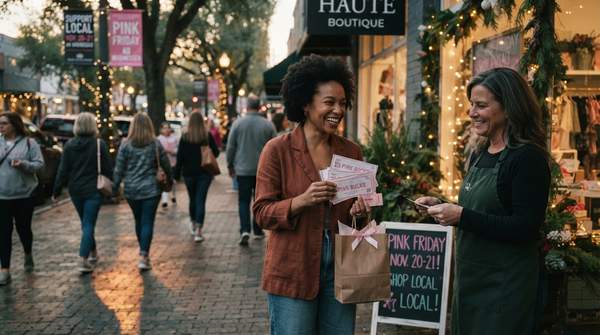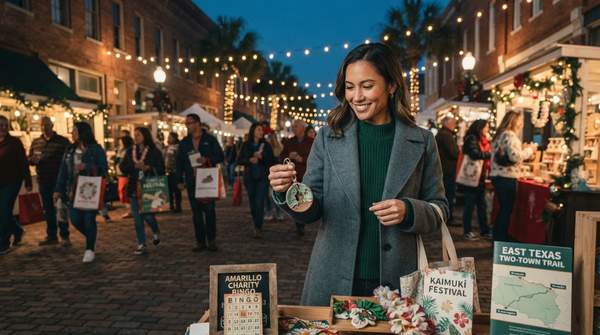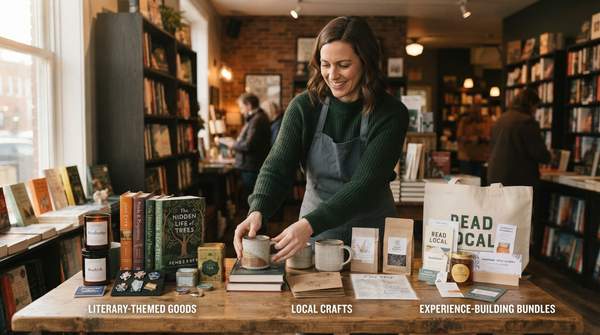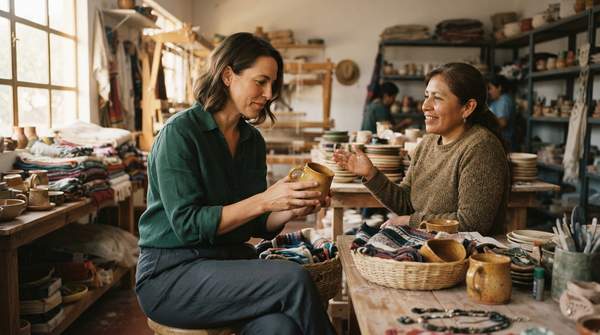
That one-of-a-kind ceramic mug or hand-crocheted hat in your favorite boutique didn't just appear on the shelf—it arrived there through one of a few distinct sourcing channels. Independent boutiques typically build their inventory through a mix of direct partnerships with local artisans, online wholesale marketplaces, and specialized suppliers. Understanding which method likely stands behind a product tells you a lot about its uniqueness, its story, and why it costs what it does. This guide walks through the main sourcing models and shows how each one shapes what you find on the rack.
The Allure of Local Boutiques: Beyond Mass Production
What draws shoppers to boutiques in the first place is curation. As Melissa Starr explains in a piece for Best Version Media, boutiques are "curated by passionate owners who carefully select items that reflect their taste, values, and the personality of the community they serve." That curation is exactly why sourcing matters: the method a boutique uses to fill its shelves determines whether you find "handmade jewelry, locally sourced goods, or unique fashion pieces you won't find anywhere else," in Starr's words.
Boutique shopping also brings a sense of discovery back into retail, Starr notes, transforming an errand into an experience. For boutique owners, the sourcing decision is both a business choice and a statement of identity. A retailer who buys from a mass supplier and one who buys from a regional potter are making very different bets on what their community wants—which is why two boutiques on the same street can feel nothing alike. The sourcing model is the hidden architecture behind that difference.
Sourcing Model 1: Direct from Local Artisans
Some boutiques go straight to the source, partnering with craftspeople and designers in their own region. Writing for her own boutique, Kristen Shaw of Kris10's Gems advises retailers to "source inventory from local artisans and regional designers to ensure unique product offerings," and to "prioritize natural fibers and sustainable materials over cheap synthetic blends" to compete with mass-market retailers. Shaw frames transparency in the supply chain as a marketing asset in itself—shoppers increasingly want to know where and how a piece was made.
From the consumer side, artisan-sourced goods carry a different logic. Handmade items, especially from small-batch production, are "priced to reflect real labor and material cost per piece," as the Nepalese Hippie wholesale team puts it. That pricing "actually supports a stronger markup story, not a weaker one"—customers paying more for a hand-loomed bag are paying for something genuinely different. Uniqueness and origin story are built into the product, but so is a higher price point tied to genuine labor and materials.