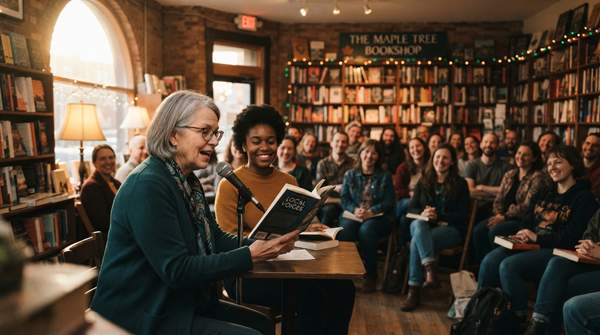
Independent bookstores foster community through three distinct kinds of engagement: literary programming like author events and writing workshops, social and cultural gatherings like book clubs and game nights, and external partnerships with schools, libraries, and local organizations. Far from being side activities, these strategies are central to how indies survive against e-commerce giants—and they explain why a bookstore often becomes a town's de facto cultural center.
Independent Bookstores: More Than Just Retail
The American Booksellers Association describes the sector's role in sweeping terms: "Independent bookstores act as community anchors; they serve a unique role in promoting the open exchange of ideas, enriching the cultural life of communities, and creating economically vibrant neighborhoods." That framing, quoted in Harvard Business School research on the industry, positions bookstores as civic infrastructure rather than simple shops.
What does that look like in practice? Bookstores host author readings, signings, and discussions that enrich a community's cultural life, as Staunton Books & Tea, a Virginia shop, explains on its own site. Stanford Social Innovation Review, profiling community-driven bookstores, notes that they "nurture readers, foster in-person connection, and offer something increasingly rare: a physical space for gathering across generations, perspectives, and walks of life." The activities vary widely, but they fall into three recognizable categories, each with a different function.