You’re at your desk, staring into the glow of a dozen open browser tabs. You've got spreadsheets, flight comparisons, and half-finished permission slips. It’s a familiar scene for many youth pastors: the administrative details of planning a mission trip are threatening to overshadow its spiritual purpose. The desire to give students a life-changing experience gets bogged down in a mountain of logistics.
That’s why a growing number of churches and Christian schools are turning to specialized partners. One name that keeps coming up is Thirst Missions, an organization built to handle every single detail.
Why Use a Mission Trip Organization Instead of Planning It Ourselves?
The DIY approach to planning short-term mission trips certainly has its appeal, especially when you’re trying to control costs. But that control comes at a price: your time, your stress, and your focus.
Every leader has to ask, "Where is my time best spent?" Is it negotiating with bus companies and vetting lodging, or is it mentoring students and preparing their hearts for what’s ahead? The strongest argument for using professional Christian mission trip organizations is that they take on the administrative load, freeing up leaders to do what they do best: minister.
Groups like Thirst Missions are set up to manage the countless logistical details that can easily eat up hundreds of hours. This isn't just about convenience; it’s about making the trip more effective.
When a youth pastor can focus completely on the spiritual well-being of their group, the potential for a truly transformational experience goes way up. You’re investing in the quality of the trip itself by shifting your own role from event planner back to spiritual guide.
What Are the Biggest Logistical Challenges When Planning a Youth Mission Trip?
Anyone who has tried to coordinate travel for a youth group, particularly overseas, knows the list of things that can go wrong is long. From ensuring food safety for dozens of people to navigating local transport in an unfamiliar city, the responsibilities are huge. The most common hurdles include:
- Safe and Reliable Transportation: Just coordinating airport pickups and daily travel to ministry sites, while ensuring every vehicle and driver is safe, is a full-time job.
- Appropriate Housing and Meals: Finding secure lodging that works for a youth group and can handle various dietary needs requires a lot of local knowledge.
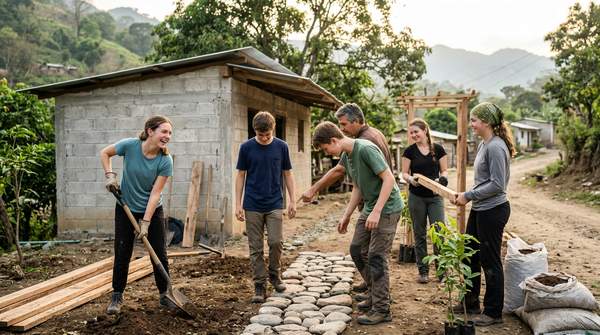
- Meaningful Project Coordination: It's not enough to just show up and work. A great trip depends on pre-vetted projects that genuinely serve the host community, with all the necessary tools and materials ready to go.
- Managing Risks and Emergencies: Whether it's a minor illness or a major emergency, having a solid, on-the-ground plan and local support is non-negotiable for keeping students safe.
This is exactly where a provider like Thirst Missions focuses its energy. Their entire model is built on having dedicated, in-country staff who manage these details. They use their established local relationships to make sure every part of the trip runs smoothly and safely.
A Closer Look at Regional Operations: From Appalachia to Alaska
Good logistics aren't one-size-fits-all; they have to fit the local context. An organization’s ability to run trips in very different locations is a good sign of its expertise. Thirst Missions, for instance, offers trips to a wide range of destinations, and each one has its own logistical and cultural challenges. Planning fully managed mission trips to Puerto Rico involves different hurdles than coordinating a trip to rural Appalachia or the remote wilderness of Alaska.
Their work in places like Belize, Guatemala, and more shows they can build and maintain distinct operational networks. In 2027, there will also be mission trips in Nashville and New Orleans.
This means local knowledge is vital. It means the team on the ground understands cultural nuances, has relationships with local churches and community leaders, and knows how to get around safely and efficiently. For any church leader, it’s worth asking: does this provider have real, boots-on-the-ground experience in the specific place we want to go?
What Is Typically Included in the Cost of a Fully Planned Mission Trip?
"How much will it cost?" It’s one of the first and most important questions. For fully planned mission trips, the goal should be price transparency and predictability.
While costs change based on location and trip length, an all-inclusive price from a provider like Thirst Missions generally covers all major in-country expenses. This usually includes:
- Lodging and all meals for the entire trip.
- All in-country transportation, including airport transfers.
- Project materials, tools, and coordination.
- A dedicated, bilingual guide and support staff.
- Pre-trip planning resources and training.
This model protects groups from the hidden costs and budget surprises that often pop up with self-planned trips. The initial sticker price might seem higher than a DIY estimate, but it represents a fixed, total investment. You're trading a lower, uncertain estimate for a higher, all-inclusive price that offers peace of mind.
How Does Thirst Missions Ensure a Real, Sustainable Impact?
In recent years, people have started asking tougher questions about the ethics and long-term value of short-term mission trips, and for good reason. The focus is shifting away from "feel-good trips" toward a demand for sustainable impact.
A credible organization has to be able to answer the question, "What happens after we leave?" Thirst Missions does this by building long-term partnerships with local churches and communities.
The work that visiting groups do is designed to support ongoing, locally-led projects, not to create dependency. Their tagline, "Real experiences. Real impact.," speaks to this modern expectation.
The idea is for the visiting team to be a catalyst, not the main event, contributing to a vision set by the local community. This approach is essential for any group that wants to make sure its efforts are both helpful and responsible.
The Critical Difference: Thirst Missions vs. The DIY Approach
When you weigh the options, the differences in risk, focus, and impact become clear. Choosing a partner for youth mission trips is really a decision about where you want to put your energy.
- Risk Management: A DIY approach places all the legal and logistical liability on the church leader. An established organization like Thirst Missions offers a framework of safety protocols, emergency plans, and insurance that’s tough for a single church to replicate.
- Ministry Focus: Leaders who plan their own trips often spend over 80% of their time on logistics, leaving little for spiritual preparation. With a fully managed trip, that ratio flips, letting you dedicate your energy to your team's spiritual growth.
- Cost Predictability: DIY budgets are often just estimates with a high risk of unexpected costs. The all-inclusive model provides a predictable, fixed cost, which makes fundraising and financial planning much simpler.
- Community Relationships: Building the deep, trusting relationships needed for effective ministry can take years. Thirst Missions brings its long-term partnerships to the table, allowing groups to plug into meaningful, pre-vetted projects right away.
Wrapping Up
You're back at your desk, but this time the path forward feels clearer. The goal of a life-changing mission trip was never about becoming an expert in international travel logistics. It was about opening the hearts and minds of your students.
By handing off the complex details to a dedicated partner like Thirst Missions, you get back the time and mental energy to focus on that original, vital purpose. The real value isn't just in a perfectly executed trip, but in the freedom it gives you to lead your team well. Visit Thirst Missions' website today to learn more.