California's public parks and gardens serve as vibrant showcases of native plant species, which are fundamental to the region's ecological health. By learning to identify these plants and understanding their profound benefits, residents can be inspired to integrate them into their own backyards, thereby fostering local biodiversity. Valuable resources such as Calflora, an independent nonprofit database dedicated to wild California plants, and the California Native Plant Society (CNPS) Orange County chapter, offer essential tools for both plant identification and practical gardening guidance.
Incorporating native plants into home landscapes is a sustainable way for individuals to contribute to a collective effort to nurture and sustain the living environment for birds, pollinators, and other wildlife. This guide focuses on common California native plant species, their crucial ecological roles, and provides practical steps for residents, particularly in areas like Orange County and Alameda County, to support local biodiversity through thoughtful native plant gardening.
Discovering California Native Plants in Local Parks
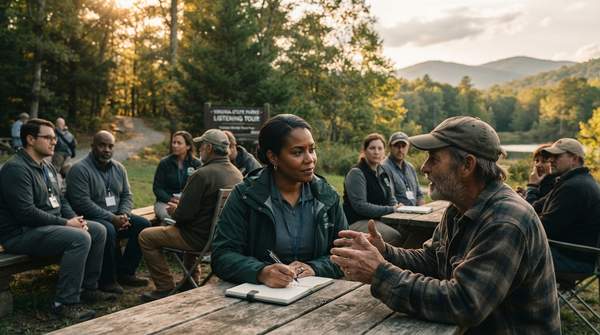
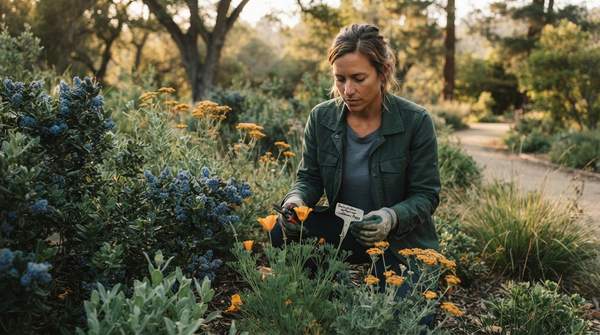
Exploring local parks, open spaces, and even botanical gardens offers an excellent opportunity to familiarize yourself with California's native flora. These natural settings bring "bits of functioning nature" directly into recreational areas, allowing observers to witness the intricate dance between butterflies and hummingbirds, listen to the songs of native birds, and gain an understanding of plant communities and their vital interactions with pollinators, as highlighted by the Orange County Chapter of the California Native Plant Society. Observing these plants in their natural habitats provides invaluable insights into their growth patterns, resilience, and how they contribute to the local ecosystem.
For those curious about specific plants encountered during a hike or a visit to a state park, Calflora, a Berkeley-based nonprofit, provides a comprehensive database. Its "What Grows Here?" tool allows users to explore over 3.1 million plant observations covering more than 8,000 California plants. By simply inputting a location on a map, users can discover the native flora thriving in that specific area, whether it's a park in Orange County or a natural preserve in Alameda County. This resource empowers residents to identify interesting plants they notice and learn more about their characteristics and typical habitats, bridging the gap between casual observation and informed understanding.
The Vital Role of Native Plants in California's Ecosystems
Native plants form the ecological bedrock upon which all local life depends, including birds, insects, and ultimately, people. These species have evolved naturally within California's unique climate and soil conditions, developing intricate relationships with the local wildlife. Restoring native plant habitats is paramount for preserving biodiversity, especially considering the significant loss of natural land to urbanization and the widespread prevalence of non-native lawns. Audubon reports that the continental U.S. has lost a staggering 150 million acres of habitat and farmland to urban sprawl, with highly manicured lawns alone covering over 40 million acres in a green monoculture that offers little ecological value.
Without native plants and the specific insects that have co-evolved with them, local birds and other wildlife cannot survive. Native plants provide vital habitat and sustenance for a diverse array of species. They offer nectar for essential pollinators such as hummingbirds, native bees, butterflies, moths, and bats. Many iconic butterflies and moths, including monarchs and swallowtails, rely on very specific native plant species for their life cycles. Beyond pollinators, native plants provide protective shelter for numerous mammals and offer essential food sources—nuts, seeds, and fruits—for all forms of wildlife, contributing to a healthy and functioning ecosystem. Once established, native plants also generally require less maintenance, reducing the need for artificial fertilizers and chemical pesticides often associated with traditional lawns, according to Audubon.
Creating Your Own Native Plant Haven: A Home Garden Guide
Transforming a home garden into a haven for California native plants is a sustainable and rewarding endeavor that directly supports local biodiversity. The process begins with a thorough evaluation of your yard to ensure the most appropriate native plant selections for each specific location on your property, a step emphasized by Rutgers NJAES. This initial assessment should consider several key factors to ensure the plants will thrive.
First, assess sunlight exposure. The UC Agriculture and Natural Resources (UC ANR) Alameda County blog defines full sun as six or more hours of direct sunlight daily, partial shade as four to six hours, and deep shade as less than three hours. Understanding these conditions is crucial for plant placement. Second, determine your soil type, which is typically classified as clay, loam, or sand, with many intermediate categories. Different native plants have varying soil requirements. The UC ANR Alameda County blog suggests using a soil ribbon test, as explained by UC Davis, to determine your garden's specific soil composition. Third, consider watering needs; California native plants generally require significantly less water than many non-native species. When integrating natives into an existing irrigated garden, adjustments to the irrigation system may be necessary to avoid overwatering them.
Finally, sourcing plants responsibly is key. PlantNative.org recommends consulting local native plant nurseries or directories, which can provide expert guidance and a diverse selection of native species tailored to your region. Engaging with local nonprofits and municipal entities dedicated to native plant conservation can also offer valuable resources and support for your gardening journey. By observing native plants in their natural habitats, you gain valuable insights into their growth patterns and interactions, which can inform your home garden design.
Your Native Plant Identification and Garden Planning Checklist
This checklist provides a structured approach to identifying California native plants in local parks and planning their integration into home gardens, guiding you to relevant resources for Orange County and Alameda County.
| Aspect | Finding | Key Resource/Consideration |
|---|---|---|
| Identifying Native Plants | Utilize online databases and local resources to identify wild California plants in parks and gardens. | Calflora's "What Grows Here?" tool (Calflora); Orange County Chapter - CNPS for local park observations. |
| Ecological Benefits | Native plants are crucial for restoring habitat, supporting pollinators, birds, and other wildlife by providing food and shelter. | Audubon highlights the vital role of native plants in supporting biodiversity and the food web. |
| Home Garden Integration | Incorporating native plants involves observing natural habitats and consulting local native plant nurseries or directories. | UC ANR Alameda County blog for site evaluation (sun, soil, water); PlantNative.org for nursery directories. |
Transform Your Backyard into a Thriving Native Habitat
Successfully incorporating California native plants into home gardens is a tangible and impactful way to support local biodiversity. By actively observing native plants in local parks and leveraging regional resources like Calflora and the UC ANR Alameda County blog for gardening guidance, residents can cultivate landscapes that thrive with minimal water and maintenance. The measurable indicator of success will be observing increased pollinator activity, such as the presence of diverse butterflies and hummingbirds, and a greater variety of native birds frequenting the garden after planting.
Sources
- Calflora - A nonprofit database providing information on wild California plants
- Gardening - Orange County Chapter - CNPS
- Why Native Plants Matter — Audubon
- FS1140: Incorporating Native Plants in Your Residential Landscape (Rutgers NJAES)
- California Native Plants and Your Garden: a Plant Community Approach — UC Agriculture and Natural Resources
- Regional Plant Lists - PlantNative.org