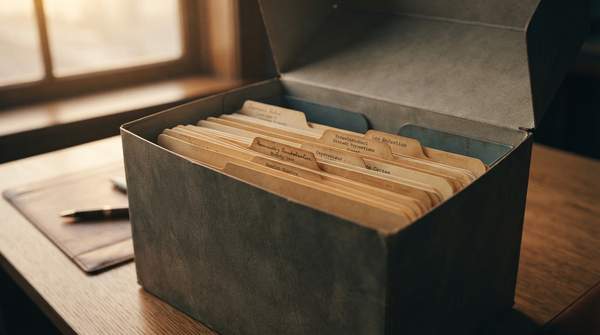
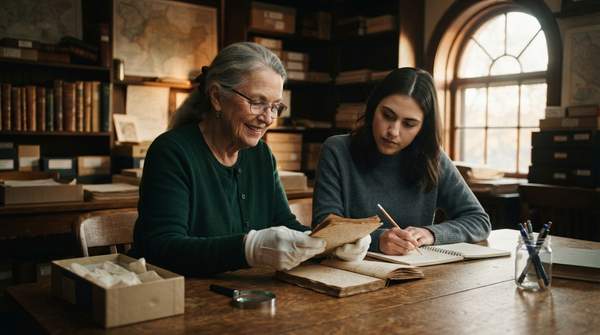
Local historical societies play a vital role in safeguarding the unique stories, photographs, and artifacts that define a community's past. These organizations serve as cornerstones for preserving collective memory and cultural heritage, often relying on the dedication of volunteers and the generosity of community members to achieve their mission. By collecting, archiving, and sharing historical materials, they ensure that the legacy of a region remains accessible and understood for future generations.
The Role of Local Historical Societies in Preserving Heritage
Local historical societies are essential for maintaining the historical and cultural heritage of a region, acting as a dynamic educational tool for the community. Their mission typically involves collecting, preserving, storing, and sharing historical archives and artifacts that narrate the story of a specific area and its past residents. These grassroots initiatives, often organized by volunteers, contribute significantly to shaping community identity and resilience by preserving collective memories and maintaining a connection to the past, as noted in a report on community archives by the International Federation of Library Associations and Institutions (IFLA). The Aberdeen Historical Museum, for instance, aims to inspire new perspectives on the present by collecting, preserving, and sharing materials related to the greater Aberdeen area.