A single handmade soy candle, retailing for $13, carries a true production cost of $5.25, a margin often misunderstood by craft entrepreneurs. This seemingly straightforward item, if priced solely on a simple markup, conceals a complex financial reality many small businesses ignore. Materials, labor, and overhead combine for a foundational $5.25 expenditure per 8oz candle, according to Craftybase.
Craft entrepreneurs aim for competitive prices, but underestimating true costs often leads to unsustainable business models. The relentless pressure to keep prices low in a crowded market can obscure the actual, often hidden, expenses of creating a unique product.
Businesses that fail to adopt comprehensive cost accounting and strategic pricing will struggle with profitability and long-term viability, despite their creative efforts. Failure to adopt comprehensive cost accounting and strategic pricing poses a critical threat to anyone launching or growing a local craft business in 2026.
The pervasive belief that a 2x markup is sufficient, as suggested by general guidelines, is a dangerous misconception that, according to Handmade-Business, actively drives businesses into the ground. While Craftybase suggests a selling price should be a true cost multiplied by a markup of 2x–3x, the lower end of this range proves perilous. Many entrepreneurs, aiming for competitive pricing, inadvertently adopt a formula for financial instability, especially if their initial 'true cost' calculation is incomplete.
Calculating Your True Costs
Accurately determining the full production cost for craft items demands meticulous attention to detail, starting with material allocation. Craft makers must account for the exact fraction or percentage of supplies used in each item, according to Recoverie. This means no supply, however small, can be considered 'free' in the final product's cost; every component contributes to the true expenditure.
Beyond raw materials, various 'hidden' costs significantly impact profitability. Packaging expenses—hang tags, ribbon, customized tape, tissue paper, business cards, or promotional materials—must be integrated into the product's price, as Recoverie emphasizes. Even existing craft supplies, already on hand, represent an investment requiring recovery and must factor into the product's cost. Businesses that fail to meticulously account for all 'hidden' costs, from packaging to pre-owned materials (Recoverie), effectively subsidize their customers, turning what appears to be a healthy 2.5x markup (Craftybase) into an unsustainable loss.

Finally, overhead expenses, though indirect, are vital for a profitable selling price. A reasonable estimate for overhead per unit for most small makers is 10% to 20% of the Cost Price, as suggested by Craftybase. Your selling price should then be your true cost (materials + labor + overhead) multiplied by a markup of 2x–3x, adjusted upward to cover fees and costs of your specific sales channel, thereby securing both operational expenses and a healthy profit margin.
Avoiding Pricing Traps and Building Your Brand
The 'cost + materials X2' pricing formula, according to Handmade-Business, could lead a business out of operation. This common misstep, simply doubling material costs, ignores labor, overhead, and other crucial expenses, setting up even the most creative ventures for financial instability.
Conversely, pricing handmade items too high will deter customers, as Recoverie points out. This dilemma—the need for higher prices to cover true costs clashing with the fear of alienating potential buyers—demands resolution through strategically marketing a strong brand identity that justifies premium pricing.
Defining your brand's visual identity—its overall look, feel, messages, and themes—is crucial for attracting buyers, states Rainpos. Strategic brand building and marketing (Rainpos) are not optional extras for craft businesses; they are critical lifelines. They enable makers to justify the higher prices necessary to cover true costs and achieve profitability, rather than being trapped by the fear of deterring customers with fair pricing (Recoverie). Utilizing social media platforms like Instagram, Pinterest, and Facebook can amplify this brand identity across digital channels, growing a robust customer base.
What are critical steps for defining a craft business brand?
Defining a strong craft brand extends beyond a mere logo; it demands a consistent visual identity and clear messaging. This means selecting specific colors, fonts, and imagery that resonate with your target audience and reflect the unique value of your handmade products. A cohesive brand narrative empowers customers to connect with your story and craftsmanship.
How can handmade products be promoted effectively within a local community?
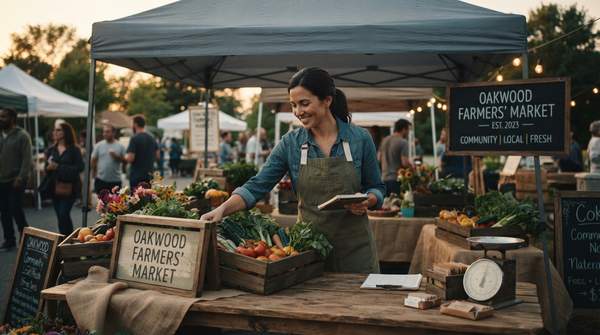
Promoting handmade products locally requires active community engagement beyond online platforms. Participating in local craft fairs, farmers' markets, and pop-up shops offers direct interaction with potential customers. Collaborating with other local businesses for cross-promotion or offering consignment in local boutiques can significantly expand your reach.
Why is accurately calculating overhead important for craft businesses?
Accurately calculating overhead ensures all indirect costs of running a business are covered, preventing these expenses from eroding profit margins. Overhead encompasses costs like rent, utilities, insurance, and marketing, which are not tied to a single product but are essential for overall operation. Failing to allocate these leads directly to underpricing and long-term financial instability.
By Q3 2026, craft businesses that fail to implement robust cost accounting and strategic brand narratives will likely see their profitability erode, a challenge that could be avoided by adopting comprehensive pricing models today.