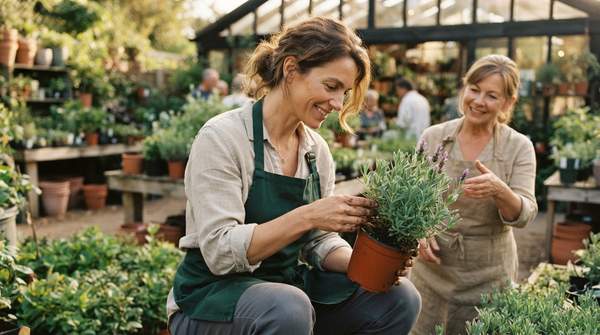
From a single greenhouse complex, a local non-profit now cultivates over 35,000 seedlings annually, a volume that doubled in 2021 alone. The doubling of volume in 2021 alone transforms a community initiative into a significant botanical supplier for the region, ensuring a steady stream of locally-grown plants for home gardeners and restoration projects.
Local non-profit nurseries are dramatically increasing plant production, yet their vital role in supplying communities with affordable, locally-grown plants remains largely unappreciated. These organizations contribute substantially to local ecosystems and accessible greening, often operating below the public radar.
Local non-profit nurseries are poised to become critical players in sustainable urban agriculture and accessible gardening, challenging traditional retail. Their growth marks a powerful shift towards community-centric, sustainable plant distribution, offering a direct alternative to conventional supply chains.
Grow Pittsburgh: A Model for Local Plant Production
1. Garden Dreams Urban Farm & Nursery
Best for: Community gardeners and ecological restoration projects seeking high-volume, organic, native plants.
Garden Dreams Urban Farm & Nursery, at 806 Holland Ave in Wilkinsburg, operates as a USDA certified organic farm and greenhouse. The complex yields over 35,000 seedlings annually, according to Grow Pittsburgh. In 2021, two new greenhouses doubled growing capacity, allowing this significant increase. An annual plant sale from mid-April through late June provides direct distribution.
Strengths: USDA certified organic; high volume production (35,000+ seedlings annually); doubled capacity in 2021; direct community sales. | Limitations: Seasonal plant sale; focus on specific plant types for community needs. | Price: Affordable, community-focused pricing.
2. Bedner's Farm and Greenhouse
Best for: Home gardeners looking for a wide variety of plants and gardening supplies.

Bedner's Farm and Greenhouse, at 315 Coleman Road, McDonald, PA 15057, is recognized by local experts for its quality selection. Its inclusion on recommended lists by organizations like Phipps Conservatory suggests a commitment to horticultural standards. This nursery offers a diverse range of plants for various garden types.
Strengths: Wide selection of plants; recognized by local horticultural experts like Phipps Conservatory. | Limitations: Specific sustainability practices may vary. | Price: Competitive for a local garden center.
3. Best Feeds Garden Center
Best for: Gardeners needing a reliable source for common and specialty plants, along with feeds and supplies.
Best Feeds Garden Center, at 1410 Wildwood Road, Gibsonia PA 15044, is another highly recommended local nursery. Its reputation stems from a consistent supply of plants and related gardening products. Customers visit for both plant material and essential amendments.
Strengths: Good selection of plants and gardening supplies; a trusted local resource. | Limitations: Less specific focus on ecological restoration. | Price: Moderate.
4. Chapon's Greenhouse and Supply
Best for: Enthusiasts seeking unique annuals and perennials from a dedicated local grower.
Chapon's Greenhouse and Supply, at 4846 Streets Run Road, Pittsburgh, PA 15236, earns its place among top local choices. This establishment often specializes in a curated selection of bedding plants and flowers. Its smaller scale allows for focused care and unique offerings.
Strengths: Curated plant selection; personalized service. | Limitations: Inventory may be smaller than larger centers. | Price: Varies by specialty plant.
5. Hahn Nursery
Best for: Shoppers seeking a well-established nursery with a broad range of trees, shrubs, and garden essentials.
Hahn Nursery, at 5443 Babcock Boulevard, Pittsburgh, PA 15237, represents a long-standing option for local gardeners. Like others on Phipps Conservatory's list, it maintains a standard of quality and service. This nursery provides a comprehensive selection, from foundational landscape elements to seasonal blooms.
Strengths: Established reputation; broad selection of landscape plants. | Limitations: May not emphasize organic methods as strongly. | Price: Standard for a full-service nursery.
Together, these nurseries illustrate how diverse local operations can collectively support a thriving regional plant economy, offering specialized options beyond big-box retailers.
Why Local Outperforms Big Box
| Feature | Local Nurseries | Big Box Stores |
|---|---|---|
| Plant Sourcing | Often locally grown, adapted to climate | Mass-produced, often shipped long distances |
| Expertise | Knowledgeable staff, specialized advice | General retail staff, limited plant knowledge |
| Environmental Impact | Reduced carbon footprint, sustainable practices | Higher carbon footprint, conventional methods |
| Community Connection | Supports local economy, community programs | Profits sent out of region, less local engagement |
| Plant Diversity | Native, heirloom, and unique varieties | Common, widely available commercial varieties |
Choosing local nurseries offers superior benefits in terms of plant health, environmental impact, and community support over conventional retail options. Local growers often cultivate plants specifically suited to the regional climate, leading to better establishment and fewer issues for gardeners. This focus contrasts sharply with larger retailers, which prioritize volume and broad appeal over localized suitability.
How We Chose Our Top Nurseries
The selection prioritizes nurseries committed to sustainable practices, local ecosystems, and community engagement. We sought operations providing diverse plants while positively impacting the local environment. Key factors included growing capacity, organic certification, and inclusion on expert-curated lists, like those from Phipps Conservatory. A non-profit's ability to double its growing capacity, as with Garden Dreams, proves both efficiency and responsiveness to local demand.
Cultivating Community, One Plant at a Time
If current trends continue, local non-profit nurseries, exemplified by Grow Pittsburgh's impressive output, will likely solidify their position as indispensable drivers of sustainable urban agriculture and community resilience, fundamentally reshaping how we access and cultivate plants.
Your Questions About Local Gardening Answered
What are the most sustainable gardening practices?
Sustainable gardening involves several key practices, including planting native species to reduce water needs and support local wildlife. Incorporating composting enriches soil naturally, minimizing the need for chemical fertilizers. Practicing rainwater harvesting also significantly conserves water, reducing reliance on municipal sources.
Where can I find rare plants locally?
To find rare plants, explore specialized local nurseries that often focus on unique or heirloom varieties not found in mainstream stores. Attending local plant swaps or joining horticultural societies can also connect you with collectors and smaller growers. Botanical garden sales sometimes feature rare or unusual specimens from their collections.
What makes a garden center sustainable?
A sustainable garden center often prioritizes local sourcing of plants, reducing transportation emissions and supporting regional growers. They might also implement water-saving irrigation systems and use renewable energy in their greenhouses. Offering organic pest control solutions and promoting native plants further contributes to their sustainable profile.