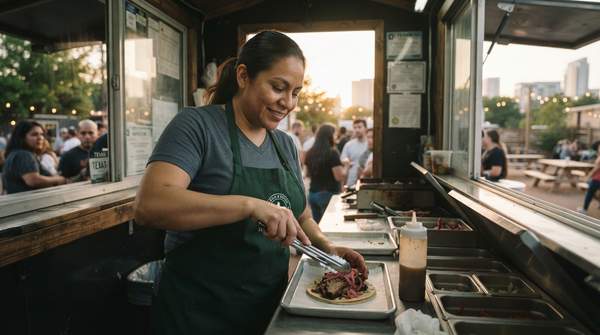
As of July 1, 2026, food truck operators across Texas are navigating a new, streamlined regulatory landscape. A single, statewide permit issued by the Texas Department of State Health Services (DSHS) has replaced the previous patchwork of local licenses that often confined mobile businesses to specific city or county lines. This significant change, brought about by House Bill 2844, simplifies the process for mobile food vendors, who are now classified into three distinct categories based on the types of food they prepare and serve.
Under the old system, vendors frequently had to secure separate permits from the health department of each jurisdiction where they planned to do business, creating a web of paperwork and fees. The new legislation mandates that any mobile food vendor in Texas must hold a license from the DSHS. According to the state agency, an initial inspection of the food vending vehicle is required before a license can be issued, ensuring all vendors meet a consistent set of state standards from their very first day of operation.
From Local to State: The Shift in Texas Food Truck Licensing
The transition to a statewide permit marks a fundamental shift in how Texas regulates its vibrant and growing mobile food industry. Previously, a food truck owner wanting to operate in multiple neighboring cities faced the cumbersome and costly task of applying for and maintaining separate licenses with each individual local health department. This often meant navigating different application processes, fee structures, and inspection schedules, which could stifle growth and limit a vendor's ability to participate in events across various communities.
Effective July 1, 2026, that fragmented system became obsolete. The City of San Antonio, for instance, provided a clear example of this transition by announcing that its city-specific mobile vending inspections would officially end on June 30, 2026, in direct alignment with the new state law. Now, one permit from the Texas Department of State Health Services authorizes a vendor to operate their food vending vehicle anywhere in the state. This change is designed to simplify compliance for entrepreneurs and establish a more uniform standard for public health and safety across Texas.