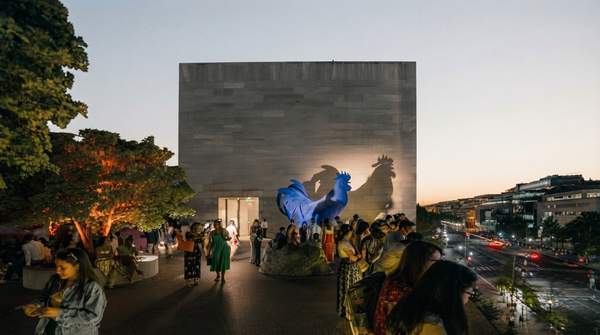
A randomized controlled trial delivered a stark revelation: older adults engaging in art activities at the Montreal Museum of Fine Arts (MMFA) experienced a significant, measurable decrease in their full-day heart rate over three months. This intervention group consistently maintained slower heart rates across full days and active hours compared to a control group, with a greater reduction in mean full-day heart rate observed between baseline and the three-month mark. This finding, reported by pmc, confirms a direct physiological health benefit from museum-based art activities for older community members, directly impacting cardiovascular markers.
Museums are widely perceived as cultural and educational institutions, yet robust evidence now positions them as effective, measurable platforms for public health interventions. This disconnect prevents the broader integration of cultural assets into crucial wellness strategies.
Public health organizations and policymakers must actively integrate local art museums into community well-being strategies. Their unique capacity to deliver measurable health benefits and foster broader social impact makes them indispensable for community well-being initiatives in 2026 and beyond.
Beyond Exhibits: How Museums Deliver Health Programs
The Montreal Museum of Fine Arts' "Sharing the Museum" program has engaged over 230,000 individuals, showcasing the extensive reach of museum-led public health initiatives, according to aam-us. These programs transcend typical cultural engagement, actively promoting community well-being. The Art & Health Program, for example, has enhanced the well-being and quality of life for more than 7,000 participants since its inception, as described by cantonart. These numbers are not just impressive; they demonstrate a proven model for large-scale, impactful health interventions.
These initiatives are not merely anecdotal successes; they represent established, large-scale efforts to integrate art into public health. Notably, Art & Health Program sessions last approximately 2 hours, yet they contribute to measurable health outcomes like reduced heart rates, as seen in the MMFA study. Relatively short, accessible art activities yield substantial, sustained physiological benefits, signaling a high return on investment for public health funding when directed towards cultural institutions.
The success of programs like MMFA's 'Sharing the Museum,' reaching over 230,000 individuals, proves art museums can simultaneously drive significant public health outcomes and foster local economic development, challenging the traditional siloed approach to community investment. The dual impact positions museums as powerful engines for holistic community growth.
The Unique Advantage: Why Museums Excel as Wellness Hubs
Museums and art galleries offer unique environments for public health interventions and health promotion programs, as noted in research from pubmed. Their inherent social role within communities is a key factor in their effectiveness for public health initiatives. These institutions provide accessible, non-clinical spaces that encourage engagement and social connection, elements often missing in traditional healthcare settings. This accessibility breaks down barriers to participation, reaching populations often underserved by conventional health services.
Beyond direct health benefits, art museums also create new economic opportunities for local artists. One project hired and compensated local BIPOC artists to support public health messaging, according to aam-us. This initiative also provided stipends to participating businesses and organizations, allowing them to pay the artists they collaborated with. Museums thus foster a symbiotic relationship between cultural development and community well-being, simultaneously addressing critical public health needs and stimulating local economies.
Measuring Health Beyond Subjective Well-being
While some programs, like the Art & Health Program, describe improving "well-being and quality of life" for participants, the randomized controlled trial data from the MMFA provides more specific, physiological evidence. The MMFA study directly measured a decrease in older adults' full-day heart rate, offering a concrete, physiological measure of health benefit, according to pmc. This objective data moves beyond the broader, more subjective outcomes often associated with general well-being claims, providing undeniable proof of efficacy.
The specificity and objective measurability of physiological data from randomized controlled trials present an undeniable case for museums as public health partners. Based on the randomized controlled trial data from pmc, healthcare systems overlook a demonstrably effective, non-pharmaceutical intervention for cardiovascular health in older adults by not integrating local art museums into their care pathways. This oversight delays the adoption of accessible, community-based solutions and squanders a potent resource.
Rethinking Investment: Prioritizing Accessible Art Interventions
The efficiency of museum-based health programs demands a re-evaluation of public health funding priorities. Art & Health Program sessions, for instance, last only approximately 2 hours, according to cantonart, yet these relatively short engagements yield measurable heart rate decreases, as evidenced by the MMFA study referenced in pmc. The significant impact from minimal time commitment highlights the profound cost-effectiveness of art-based interventions. Public health funding bodies should re-evaluate their investment strategies to prioritize these accessible, high-impact cultural interventions. Directing resources towards established programs offers a substantial return on investment in public health, fostering community well-being more broadly and integrating art museums into the core of community health planning.
What are examples of community well-being programs in museums?
The Montreal Museum of Fine Arts operates "The Art Hive," welcoming over 2,500 participants annually into its creative spaces, fostering mental well-being and social connection. Other programs, like the Art & Health Program, engage communities through accessible art activities designed to improve quality of life.
How do art museums contribute to public health?
Art museums provide non-pharmaceutical interventions that demonstrably improve health outcomes, such as decreasing heart rates in older adults. They offer accessible social spaces and creative outlets, serving as community health hubs that complement traditional healthcare by focusing on preventative care and holistic well-being.
What is the role of art in mental health support?
Art in museums supports mental health by offering spaces for creative expression, stress reduction, and social interaction. Engagement with art can reduce feelings of isolation and improve cognitive function, providing emotional and psychological benefits that contribute to overall mental well-being in a non-clinical setting.
By 2026, if public health bodies and policymakers fully embrace the Montreal Museum of Fine Arts' successful model, which has already impacted over 230,000 individuals, integrating such accessible, high-impact cultural interventions will likely foster healthier communities and robust local art economies, proving art's vital role beyond mere culture.