Finding good inspiration is part of being a designer. The challenge is finding inspiration that actually feels worth your time. Spend enough time scrolling through social media and image-sharing platforms, and the endless stream of content can start to feel less inspiring and more exhausting.
Moss & Fog offers a different way to look for ideas. The publication and field guide brings together art, architecture, design, and visual culture from around the world, with a focus on things that are beautiful, surprising, and worth a closer look. Instead of leaving discovery entirely to an algorithm, it gives readers a more considered place to explore.
For designers looking for something new, that difference can make the search for inspiration feel much more enjoyable.
At a Glance: How Moss & Fog Makes Visual Research Easier
A good source of inspiration should help you discover something without making you work too hard to find it. Moss & Fog does this through a combination of thoughtful curation, broad subject matter, and an archive that goes back more than a decade.
For designers, that means being able to:
- Access high-quality content without subscription costs.
- Spend less time searching and more time discovering.
- Find ideas across different areas of art and design.
- Explore more than a decade of projects and visual stories.
- Become part of a global community interested in visual culture.
1. Explore a Completely Paywall-Free Resource
Some of the best design inspiration online sits behind a subscription or paywall. That can make regular exploration difficult, particularly for students, freelancers, or designers working with limited budgets.
Moss & Fog takes another approach. Its content is available without a paywall, giving readers the freedom to explore its collection of visual culture without having to sign up for a subscription.
The experience can feel a little like wandering through a digital museum. You might arrive looking for one particular idea and end up somewhere completely different. For a designer building a portfolio, developing a concept, or simply looking for something interesting to look at, having an open resource to return to can be genuinely useful.
2. Let Curation Do Some of the Searching
The internet is full of images. Finding the right ones is another matter.
Moss & Fog takes some of the work out of that process by selecting the projects, images, and stories it believes are worth sharing. Founder and editor Ben VanderVeen has been curating visual culture since 2009, giving the publication a long-running editorial point of view.
That matters when you are looking for inspiration rather than simply trying to fill a screen.
A designer might visit while working on a mood board, searching for ideas for a branding project, or simply feeling stuck on a visual direction. Rather than sorting through page after page of repetitive content, Moss & Fog offers a starting point shaped by a human eye.
The result is a more relaxed kind of discovery. You can find something beautiful or unexpected without necessarily knowing what you were looking for in the first place.
3. Find Connections Between Different Creative Fields
Some of the best design ideas come from somewhere other than design.
Architecture can influence graphic design. Nature can influence product design. Photography can change the way someone thinks about color, composition, or space. Looking outside your usual field can open up possibilities that are easy to miss when you stay in the same visual lane.
Moss & Fog brings together art, architecture, design, and nature, creating plenty of opportunities for those connections to happen.
A graphic designer might find something useful in the geometry of an architectural project. An architect might notice a shape or texture in a nature feature that sparks a new idea. An illustrator might come across a historical design style that takes their work in an entirely different direction.
That kind of cross-pollination is one of the pleasures of browsing a publication with a broad visual focus. You are not limited to what is already familiar.
4. Go Back Through a Deep Archive
New work is exciting, but not every good idea needs to be new.
Moss & Fog has been publishing since 2009, giving readers more than a decade of archived projects, discoveries, and visual stories to explore. That archive offers something that a constantly changing social feed cannot: a chance to slow down and look back.
For designers, older work can be just as useful as something published yesterday. A project from years ago might reveal where a current aesthetic came from. A historical design style might provide the missing reference for a retro-inspired project. An older architectural idea might feel surprisingly relevant to something being designed today.
The archive also makes it possible to see how visual culture changes over time. Trends come and go, but certain ideas continue to resurface in different forms.
5. Tap Into a Global Community of Creatives
Inspiration can feel solitary, but it does not have to be.
Moss & Fog reaches hundreds of thousands of monthly readers who share an interest in art, design, and visual culture. That creates a sense of shared discovery around the publication. You may be browsing from one part of the world while looking at work created somewhere completely different.
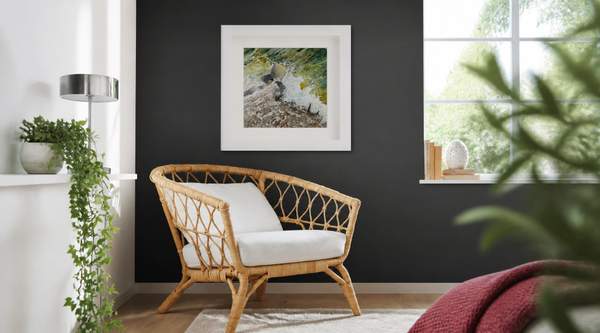
The experience extends beyond the editorial content. Readers can also explore the Moss & Fog shop, which features prints and objects connected to the same broad interest in art, design, and visual culture.
That combination gives the publication a sense of place. It is not simply a collection of articles to read and leave behind. It is a space where people with an interest in beautiful, unusual, and thoughtfully selected things can keep discovering.
Making Inspiration Part of the Creative Process
Inspiration does not always arrive when you are looking for it. Sometimes the most useful idea is the one you stumble across while exploring something completely unrelated to the project in front of you.
That is where a resource like Moss & Fog can become part of a designer's regular routine. Its combination of curation, different creative disciplines, an extensive archive, and free access makes it easy to return to whenever you want to see something new.
For designers looking for a place to explore art, architecture, design, and visual culture without the noise of an endless social feed, Moss & Fog offers a thoughtful place to start.